


Albuquerque Truck Accident Attorneys
More than 30 Years of Local, Bilingual Representation in Albuquerque
How Truck Accident Claims Differ from Car Accident Cases
Important differences can include:
- Catastrophic Injuries and Higher Damages: Because commercial trucks can weigh up to 80,000 pounds, injuries can be catastrophic and the resulting losses can be substantial.
- Potentially Responsible Parties: Unlike ordinary car accidents, these cases may involve trucking companies, cargo loaders, maintenance contractors, manufacturers, and other third parties.
- Federal Regulations: These claims frequently involve Federal Motor Carrier Safety Administration regulations, electronic logging devices, maintenance requirements, and industry-specific safety rules.
- Commercial Records: Driver qualification files, dispatch records, cargo documents, inspection reports, maintenance records, and onboard vehicle data may provide evidence that isn’t present in an ordinary car claim.
- Aggressive Insurance Defense Teams: Trucking companies and their insurers often deploy investigators immediately after a crash to protect themselves from liability.
In appropriate cases, our attorneys review driver logs, inspection reports, photographs, witness accounts, electronic data recorders, and other records to determine how the crash happened and which parties may be responsible.
Commercial Truck Routes in Albuquerque
Commercial trucks travel throughout Albuquerque, including on Interstate 40, Interstate 25, Coors Boulevard, Central Avenue, Paseo del Norte, Montgomery Boulevard, Rio Bravo Boulevard, and Sunport Boulevard. The New Mexico Department of Transportation identifies I-40 as a primary freight route through central New Mexico and the Big I as the interchange connecting I-40 and I-25.
Roadways that may be relevant to a local truck-crash investigation include:
- Interstate 40 (I-40): This major east-west interstate carries freight through Albuquerque and includes high-volume interchanges, entrance ramps, and exit ramps.
- Interstate 25 (I-25): This north-south interstate connects with I-40 at the Big I and carries a mix of passenger and commercial traffic.
- Coors Boulevard: This major west-side corridor includes intersections, turning traffic, commercial access points, and periods of congestion.
- Central Avenue (Old Route 66): This route crosses Albuquerque and includes urban intersections, businesses, and industrial areas.
- Paseo del Norte: This east-west corridor carries local and commercial traffic through northern Albuquerque.
- Montgomery Boulevard: This road connects multiple parts of the city and includes dense traffic, intersections, and turning movements.
- Rio Bravo Boulevard: This southern Albuquerque corridor provides access to industrial areas and distribution activity.
- Sunport Boulevard: This road provides access to Albuquerque International Sunport and is used by passenger and commercial vehicles.
A roadway name alone doesn’t establish that a location is a crash hotspot or prove who caused a collision. The investigation should consider traffic controls, lane configurations, road and weather conditions, vehicle movements, construction, visibility, video footage, and available records specific to the crash.
Contact our team today at (505) 806-1780 for a free consultation.

-
"I can't seem to say enough about the people at this law firm. I was treated with the greatest experience ever. My case wasn't a very large case, but, non the less I was treated with the upmost respect and treatment of a huge case."Christopher C.
-
"Not only are they highly competent, ethical, smart and efficient, they are very kind. They have provided the best representation and assistance imaginable and I would, without any reservation whatsoever, highly recommend this law firm."Dorian D.
Common Types of Big Rig Accidents
The size, weight, and mechanics of large commercial vehicles can contribute to the following collision configurations:
- Jackknife Accidents: A jackknife occurs when the trailer of a semi-truck swings out from behind the cab, forming a 90-degree angle. This type of accident can block multiple lanes of traffic and cause multi-vehicle pileups.
- Rollover Accidents: Tractor-trailers have a high center of gravity, which can increase rollover risk during sharp turns, at high speeds, or when cargo is improperly loaded. Rollovers can endanger nearby motorists.
- Rear-End Collisions: Due to their weight, trucks require much longer stopping distances. When a truck driver follows too closely or fails to react in time, the impact of a rear-end crash can crush smaller vehicles.
- Underride Accidents: These occur when a smaller vehicle slides underneath a truck’s trailer, often leading to fatal head or neck injuries. The truck’s configuration, applicable safety standards, underride equipment, and impact location may become important parts of the investigation.
- Wide-Turn Accidents: Truck drivers sometimes need extra room to complete right-hand turns. When they misjudge the space, they can trap or crush nearby vehicles, particularly on urban roads with adjacent traffic lanes.
The collision configuration can shape the investigation. Vehicle damage, roadway marks, braking data, speed, visibility, cargo position, trailer movement, and each vehicle’s path may help explain what happened, but the type of crash alone doesn’t establish negligence.
What Causes Commercial Truck Crashes?
Commercial truck crashes may result from unsafe driver conduct, carrier practices, equipment problems, cargo-loading errors, or a combination of factors. A successful claim requires evidence connecting the unsafe conduct or violation to the collision and resulting injuries.
Potential causes include:
- Driver Fatigue: Driving beyond applicable hours-of-service limits or without adequate rest can affect reaction time and judgment.
- Distracted Driving: Using phones, navigation systems, dispatch devices, or other equipment can divert a driver’s attention from the road.
- Speeding or Reckless Driving: Excessive speed can make it more difficult to stop or maneuver a fully loaded 18-wheeler safely.
- Improper Loading: Overloaded, unsecured, or unbalanced cargo can shift and affect a truck’s stability, braking, or handling.
- Mechanical Failures: Poor maintenance or defective parts can contribute to brake failures, tire blowouts, lighting problems, and steering issues.
- Inadequate Training or Supervision: Driver qualification, training, hiring, and supervision records may reveal whether a carrier followed applicable requirements.
- Driving Under the Influence: Alcohol, illegal drugs, or impairing medications may affect a commercial driver’s ability to operate safely.
FMCSA Rules & Commercial Truck Evidence
The Federal Motor Carrier Safety Administration (FMCSA) oversees interstate commercial motor vehicle safety and enforces regulations that may apply to drivers, motor carriers, vehicles, and cargo. Whether a particular rule applies depends on facts such as the vehicle, operation, route, and cargo. A violation may be relevant to liability when the evidence connects it to the crash.
- Hours-of-Service Rules: For covered property-carrying drivers, the rules generally include an 11-hour driving limit after 10 consecutive hours off duty and a 14-hour on-duty window. Electronic logging devices, which record driving time and duty status, may help identify missing entries, inconsistencies, or possible violations.
- Driver Qualification Standards: Commercial drivers may be subject to licensing, medical, driving-history, and qualification requirements. Driver qualification files can help show what a carrier knew when it hired or retained a driver.
- Vehicle Inspection and Maintenance Requirements: Applicable records may include inspection reports, repair invoices, maintenance schedules, and data concerning brakes, tires, lights, steering components, and other systems.
- Cargo Securement Rules: Cargo records can help investigators evaluate who loaded the trailer, how the load was distributed and secured, and whether shifting or spilled cargo contributed to the collision.
- Drug and Alcohol Testing: Depending on the circumstances and applicable rules, pre-employment, random, reasonable-suspicion, and post-crash testing records may be relevant.
At Martinez, Hart, Sanchez & Romero, we review applicable trucking regulations and records when investigating commercial motor vehicle liability. Our team often examines driver logs, inspection reports, electronic data recorders (sometimes called “black boxes”), dispatch information, maintenance records, cargo documents, photographs, video, witness accounts, and post-crash testing records.
Evidence preservation can be time-sensitive because electronic data may be overwritten, vehicles may be repaired, and companies may retain different records for different periods. Prompt investigation can help identify what should be requested and preserved, although contacting us doesn’t establish liability or guarantee a recovery.
Common Injuries in Truck Accidents
The size and weight disparity between commercial trucks and passenger vehicles can cause severe or life-threatening injuries, including:
- Traumatic Brain Injuries (TBI): Forceful impacts can cause concussions and other traumatic brain injuries when the head strikes an object inside the vehicle.
- Spinal Cord Injuries: A violent impact can damage the spinal cord, leading to partial or complete paralysis, loss of sensation, or limited mobility.
- Back and Neck Injuries: Sudden jolts and forces can cause whiplash, herniated discs, and other back and neck injuries.
- Broken Bones and Fractures: The force of a collision can cause broken bones, fractures, and crush injuries that may require surgery and extensive rehabilitation.
- Internal Organ Injuries: Blunt-force trauma can cause lacerations, organ damage, or internal bleeding that may require immediate medical attention.
- Burns and Scarring: Fires or explosions can cause severe burns and scarring that may require ongoing medical treatment and cosmetic procedures.
- Soft Tissue Injuries: Sudden jerking movements and forceful impacts can cause sprains, strains, bruises, and other soft tissue injuries.
- Emotional and Psychological Injuries: A collision can cause post-traumatic stress disorder, anxiety, depression, and other conditions that affect a person’s well-being and quality of life.
Seek prompt medical attention after a crash, even if injuries seem minor, because some symptoms may develop later. Treatment may involve emergency care, hospitalization, surgery, rehabilitation, medication, assistive care, or long-term follow-up, depending on the diagnosis. A legal evaluation doesn’t replace care from qualified healthcare professionals.
Depending on the evidence, recoverable losses may include medical expenses, lost income, reduced earning capacity, property damage, physical pain, emotional distress, and loss of enjoyment of life. Consulting with a truck accident lawyer in Albuquerque can help you understand which losses may be documented and pursued in your specific case.
Proving Liability in a Truck Accident
Commercial truck drivers have a duty to operate their vehicles safely. When they breach that duty, serious injuries can result.
Other parties may also be liable, including:
- Trucking Company: The company that employs or directs the driver may be held liable when its hiring, training, supervision, dispatch, or maintenance practices contributed to the crash.
- Truck Owner: If the truck is owned by a party separate from the trucking company, such as an independent owner-operator, that entity may be held liable if its actions or negligence contributed to the crash.
- Shippers or Brokers: Depending on their role and the applicable law, a shipper or broker may become relevant to an investigation involving carrier selection, dispatch, or cargo.
- Maintenance Providers: If a mechanical failure or maintenance issue caused the crash, the responsible party may be held liable. This could be the trucking company, an independent maintenance contractor, or the manufacturer of a defective part.
- Cargo Loaders: If improperly loaded or secured cargo caused the crash, the party responsible for loading it may be held liable.
- Manufacturers: In cases where a defective truck or truck part contributed to the accident, the manufacturer of the defective product may be held liable through a product liability claim.
- Government Entities: Poor road conditions or inadequate road maintenance may contribute to collisions. Claims involving a public entity depend on the facts, applicable immunity rules, and special notice or filing requirements.
Determining liability often involves a detailed investigation into the facts surrounding the crash. Multiple parties may share responsibility. We may review the police report, scene photographs, witness statements, vehicle data, driver logs, inspection and maintenance records, cargo records, qualification materials, insurance information, and medical documentation.
New Mexico follows comparative-fault rules, which can affect recovery when more than one person or entity contributed to the harm. Comparative fault means responsibility may be allocated among the parties based on their respective conduct. The effect on a particular claim depends on the evidence and applicable law.
Our firm is willing to handle difficult claims involving trucking companies, insurers, institutions, and other powerful adversaries. Legal proceedings may involve negotiations, settlement discussions, or a trial when appropriate, and we work to identify every responsible party supported by the evidence.
Frequently Asked Questions
What should I do immediately after a truck accident?
Prioritize your safety and call 911. If possible, move to a safe location, photograph the vehicles and roadway, exchange information, and collect witness details. Seek medical attention even if injuries seem minor because some symptoms may appear later. Contacting a local personal injury attorney promptly can also help address evidence-preservation concerns.
How do truck claims differ from car accident claims?
Truck claims may involve multiple responsible parties, federal regulations, commercial insurance coverage, and records that aren’t typically part of a passenger-vehicle claim. Liability still depends on the facts and evidence from the collision.
What compensation may be available?
Depending on the facts, compensation may include medical expenses, lost income, reduced earning capacity, property damage, physical pain, emotional distress, and loss of enjoyment of life. Punitive damages may be available in limited cases involving legally sufficient misconduct. Eligible family members may also have a wrongful death claim after a fatal collision. No amount can be predicted from the vehicle or injury label alone.
How long do I have to file a lawsuit?
New Mexico generally allows three years for a personal injury action under NMSA Section 37-1-8, but the correct deadline depends on the claim. Government-entity claims, wrongful death claims, claims involving minors, and other circumstances may have different requirements. Don’t wait for the deadline because physical and electronic evidence can disappear much sooner.
Discuss Your Truck Accident with Our Local Team
We represent accident victims in Albuquerque and throughout New Mexico after serious collisions. For more than 30 years, we’ve provided local clients with personalized guidance, and our bilingual team serves clients in English and Spanish. We work on a contingency fee basis, so attorney fees depend on securing compensation on your behalf.
Call (505) 806-1780 or contact us online to discuss your case with one of our truck accident attorneys in Albuquerque. We can review the crash, potential sources of evidence, responsible parties, and the legal options that may apply.
"Not only are they highly competent, ethical, smart and efficient, they are very kind. They have provided the best representation and assistance imaginable and I would, without any reservation whatsoever, highly recommend this law firm."Dorian D.




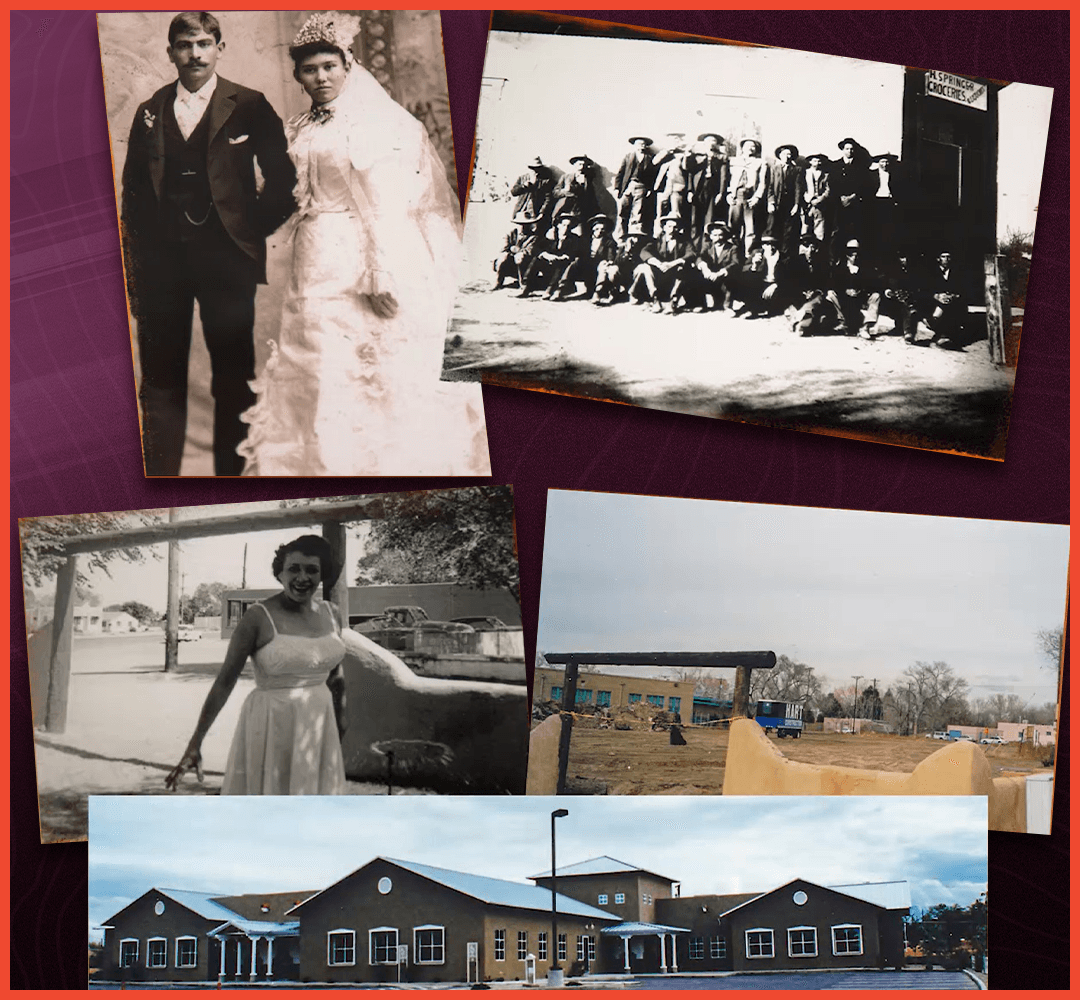
Martinez, Hart, Sanchez & Romero, P.C. is a local law firm with local and national recognition for having the expertise to handle the toughest cases. Over a century ago, David B. Martinez’s grandparents realized their dream of building a general store at the corner of Rio Grande and Indian School. “A century later, David B. Martinez and F. Michael Hart built this law firm on the same corner of Rio Grande and Indian School where David’s family had built their general store.” The corner of Rio Grande and Indian School is now home to Martinez, Hart, Sanchez & Romero, P.C., which holds the same dedication to serving the needs of the surrounding community.